

(203) 656-9999 Appointment

Facelift Fairfield County

Castle Logo Connecticut Logo New York Logo Vitals Logo Greenwhich Logo

A Natural Approach to Facial Rejuvenation

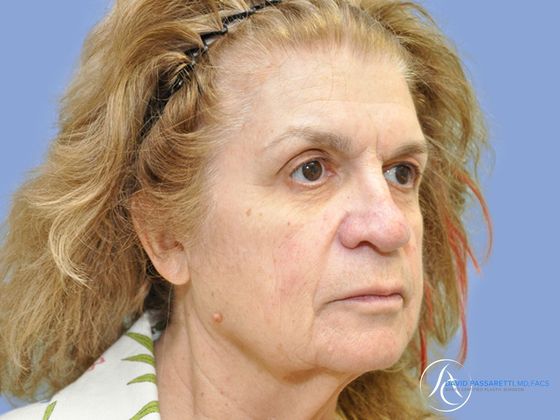
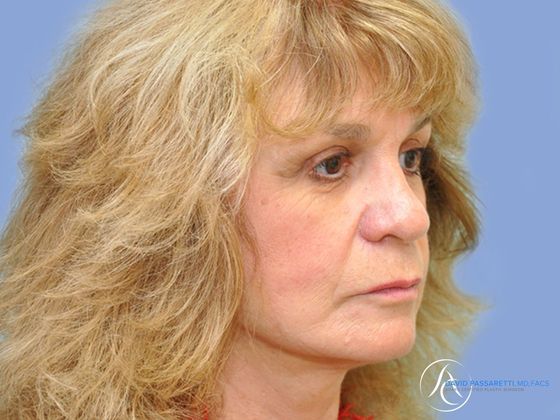
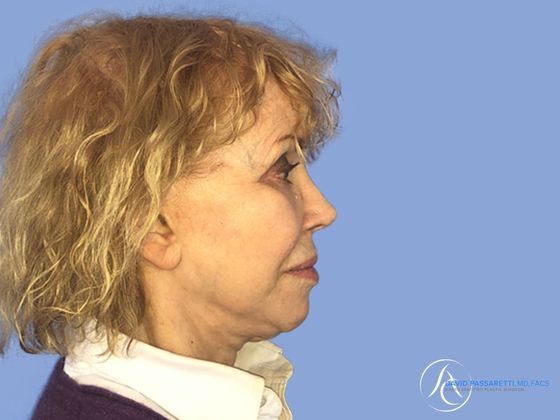
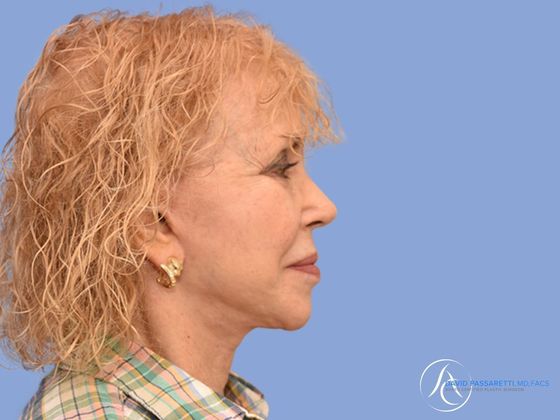
A facelift addresses the structural changes that can make the lower face and neck look older than you feel. Loose skin, jowls, deeper folds around the mouth, and fading jawline definition develop as skin quality changes and deeper facial tissues descend. Facelift surgery repositions those tissues and removes excess skin to restore cleaner contours without changing the features that make your face your own.

At The Aesthetic Center in Darien, David Passaretti, MD, FACS, performs facelift surgery for women and men from Fairfield County and throughout Connecticut. Every procedure is planned around the patient's anatomy, degree of facial aging, and priorities. Dr. Passaretti's aim is a rested, refined result that looks natural in motion and continues to feel familiar.
What is a Facelift Surgery?

Facelift surgery is highly individualized. Some patients need focused correction along the jawline, while others have more extensive sagging skin across the cheeks, lower face, and neck. Dr. Passaretti evaluates the face in layers, considering skin elasticity, underlying support, facial volume, bone structure, and the relationship between the face and neck.

That attention to proportion helps him decide how much correction is appropriate and where restraint will produce a better result. The purpose of surgery is not to erase every sign of aging. It is to restore support where tissues have shifted and create a smoother transition from the cheeks to the jawline and neck.

What Can a Facelift Improve?

A facelift primarily treats the lower two-thirds of the face and, depending on the surgical plan, the upper neck. It may improve:

  • Jowls and loss of jawline definition
  • Loose skin along the lower face and neck
  • Deepened folds beside the mouth
  • Descended tissue through the cheeks and lower face
  • Fullness beneath the chin caused by excess fat or lax tissue
  • An overall tired or heavy appearance that does not match how you feel

Facelift surgery does not directly treat forehead lines, drooping brows, eyelid skin, surface pigmentation, acne scars, or fine textural irregularities. Those concerns may respond better to a brow lift, blepharoplasty, injectables, or laser skin resurfacing. When several areas contribute to an aging appearance, Dr. Passaretti can design a coordinated facial rejuvenation plan rather than expecting one operation to address the entire face.

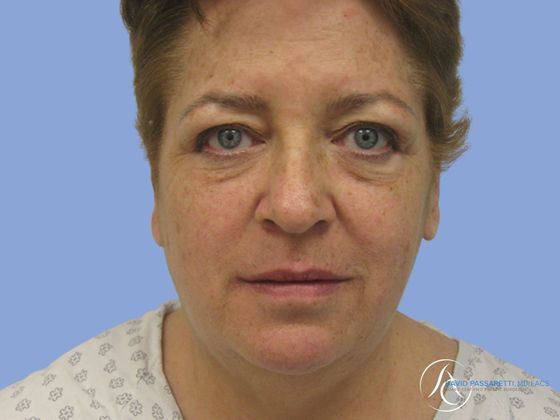
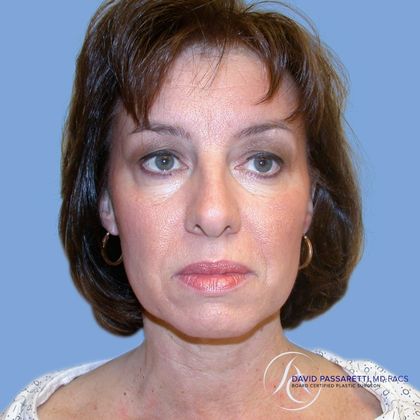
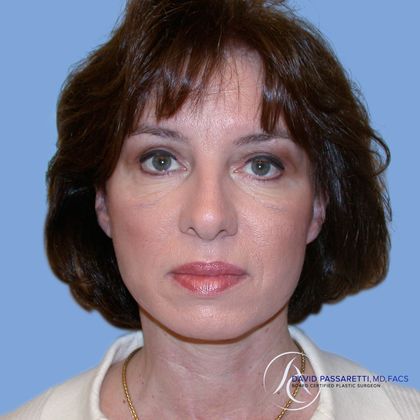
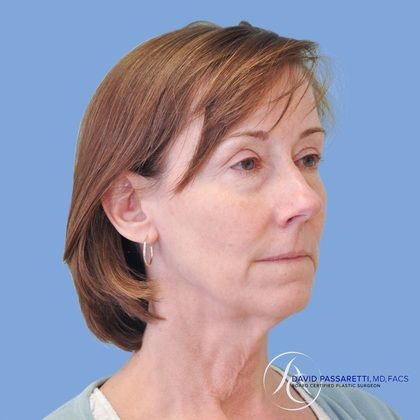
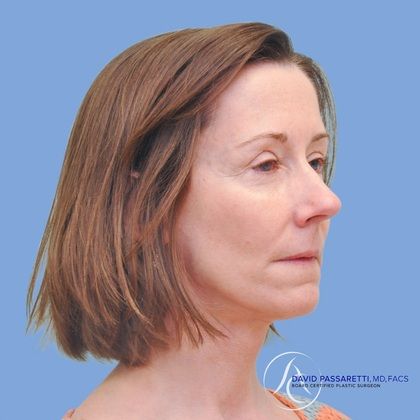
Fairfield County Facelift model with brown hair

Types of Facelift Surgery

Terms such as traditional, limited-incision, and deep plane describe different facelift techniques. They are useful starting points, but the correct approach depends on your anatomy and the degree of correction you need.

Traditional Facelift

A traditional facelift is generally considered when moderate to advanced laxity affects the cheeks, lower face, jawline, and neck. Incisions typically begin near the hairline, continue around the ear, and extend into the lower scalp. Through these carefully placed incisions, Dr. Passaretti can reposition deeper tissues and redrape the facial skin without relying on surface tension.

Limited-Incision Facelift

A limited-incision facelift uses a shorter incision pattern and can be appropriate for earlier signs of aging, such as mild jowling or modest loss of lower-face definition. It usually provides less correction than a full facelift. If neck skin is loose or deeper tissues have descended more substantially, a limited operation may not create enough improvement.

Deep Plane Facelift

A deep plane facelift releases and repositions deeper layers of facial tissue as a unit. This can improve the cheeks, jowls, jawline, and neck while limiting tension on the skin. Dr. Passaretti personally developed the trademarked Dual Plane Plication Lift®, a modification of deep plane facelift surgery that he uses for many patients. It is designed to support controlled tissue repositioning while minimizing unnecessary disruption.

Neck Lift With Facelift Surgery

When loose neck skin, separated neck muscles, or fullness beneath the chin contributes to the concern, a neck lift may be incorporated into the operation. Treating the face and neck together can create a more continuous result than correcting the lower face alone. Dr. Passaretti will explain how much neck surgery is appropriate after examining the skin, underlying muscle, and fat distribution.

Choosing the Right Facelift Technique

The most natural-looking facelift is the one matched to the patient's anatomy. During an in-person evaluation, Dr. Passaretti looks at tissue mobility, skin quality, facial shape, prior procedures, volume loss, and the way the face moves. He then determines what should be lifted, what may benefit from volume restoration, and what should remain untouched.

This planning also prevents overtreatment. Pulling facial skin too tightly can distort the hairline, earlobes, or natural expression. Supporting the deeper tissues first allows the skin to lie smoothly over the new contours with less tension.

Benefits of a Facelift

For an appropriate candidate, facelift surgery can provide improvements that nonsurgical treatment cannot reproduce. Potential benefits include:

  • A more defined jawline
  • Smoother contours through the lower face and neck
  • Less visible jowling and sagging skin
  • Softening of deeper folds around the mouth
  • Better balance between the cheeks, jawline, and neck
  • Long-lasting correction that continues to age naturally

Results vary with anatomy, surgical technique, skin quality, lifestyle, and healing. A facelift cannot stop facial aging, and it does not create permanent immunity from future skin laxity.

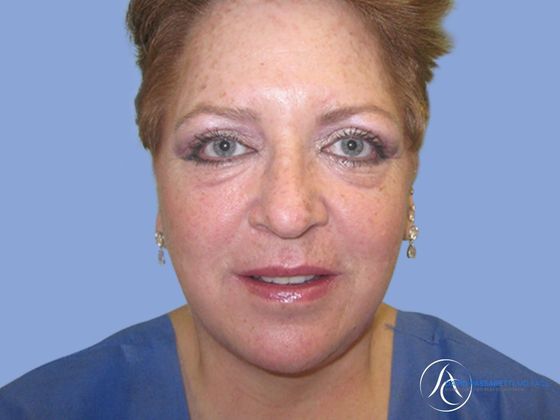
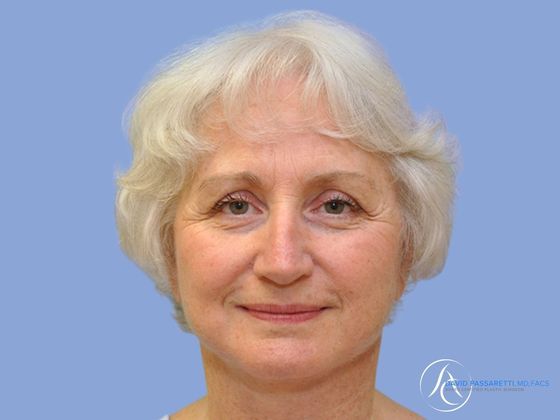
Fairfield County Facelift model smiling

Am I a Candidate for a Facelift?

You may be a good candidate if lower-face or neck laxity has become too pronounced for injectables or skin treatments to address, and you want a meaningful structural change. Many patients begin considering surgery when jowls obscure the jawline, neck skin feels loose, or the face appears tired despite healthy habits.

Candidates should be in generally good health, avoid nicotine, and have realistic expectations about recovery and results. Certain medical conditions, medications, or previous facial procedures may affect the plan. There is no single best age for a facelift. Tissue changes and goals provide more useful guidance than a number on a birthday.

If facial volume loss is a significant part of the aging pattern, Dr. Passaretti may discuss facial fat transfer alongside surgery. Restoring selected areas can complement lifting, but added volume should remain measured and specific to your facial shape.

Your Facelift Consultation

Your consultation is a detailed conversation and examination, not a commitment to one named technique. Dr. Passaretti will ask what has changed, which areas bother you most, and what you want to preserve. He will review your health history, current medications, nicotine use, previous procedures, and any factors that may influence anesthesia or healing.

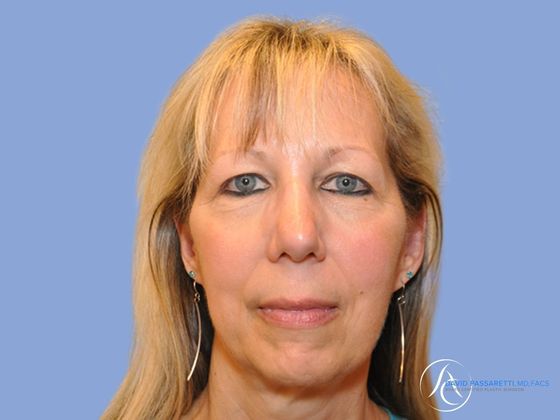
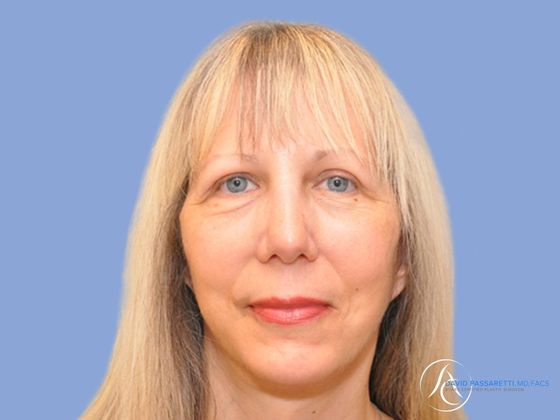
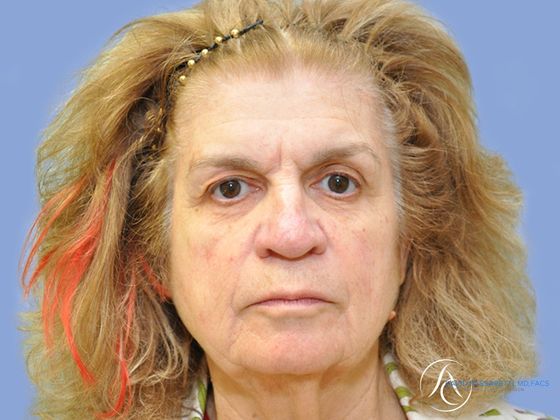
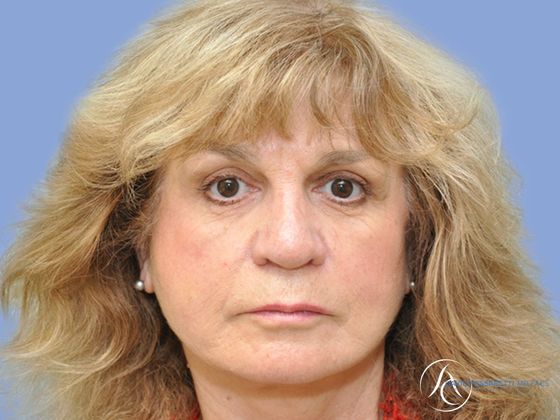
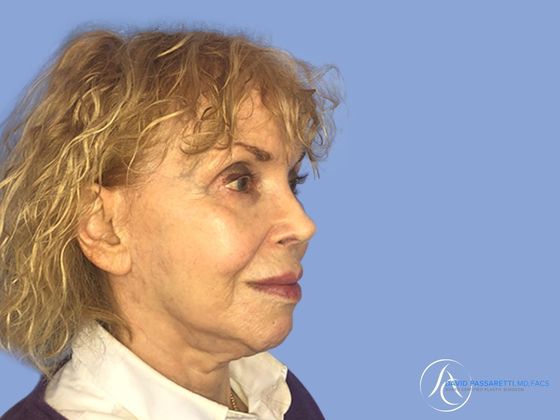
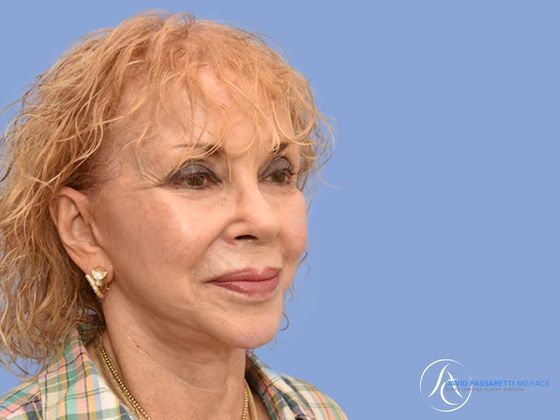
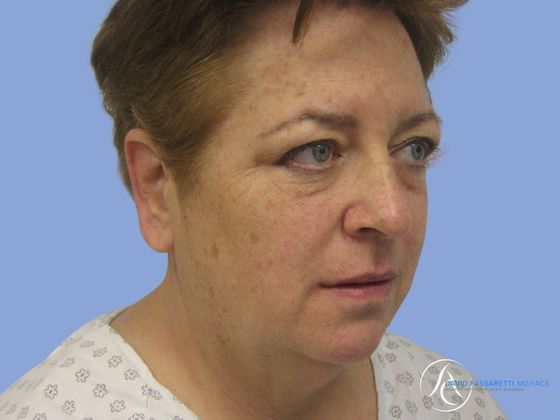
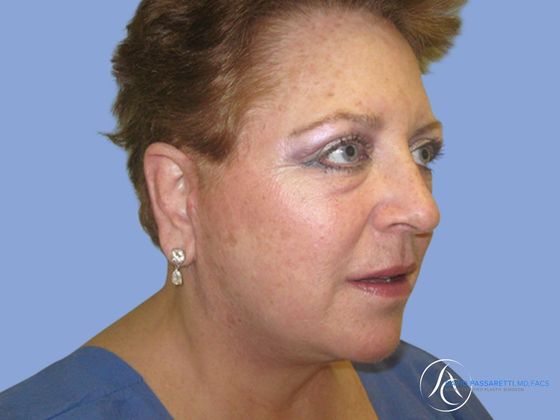
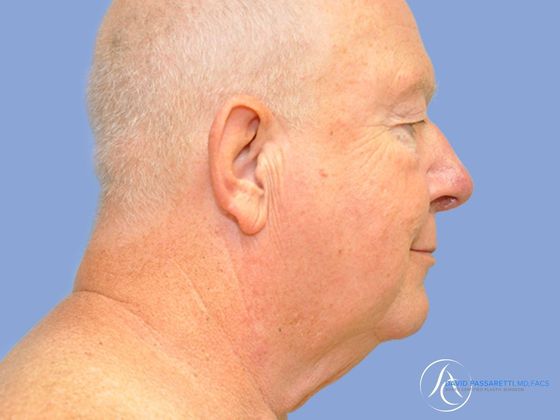
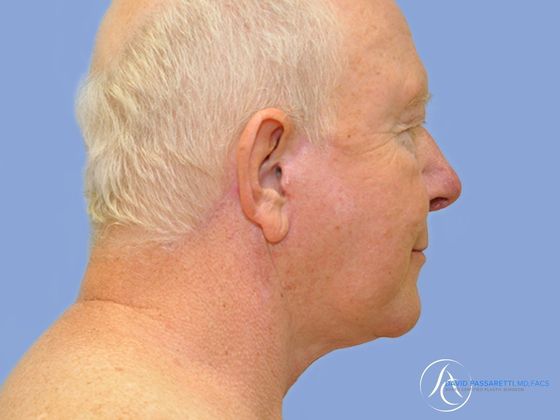
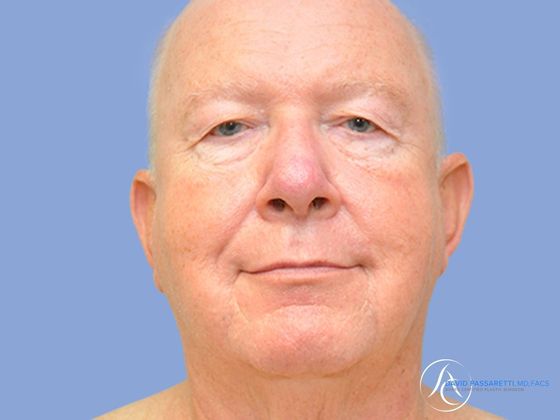
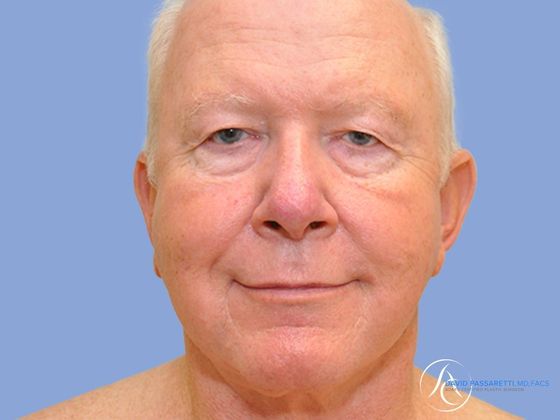
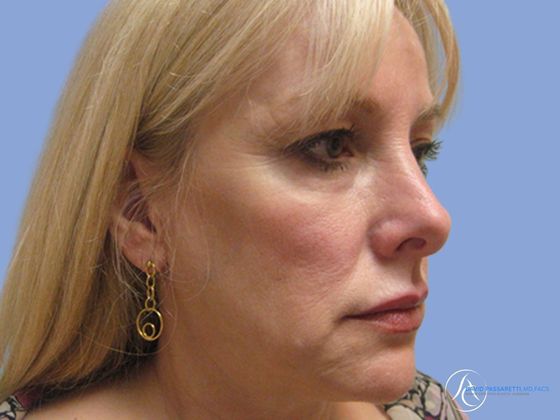
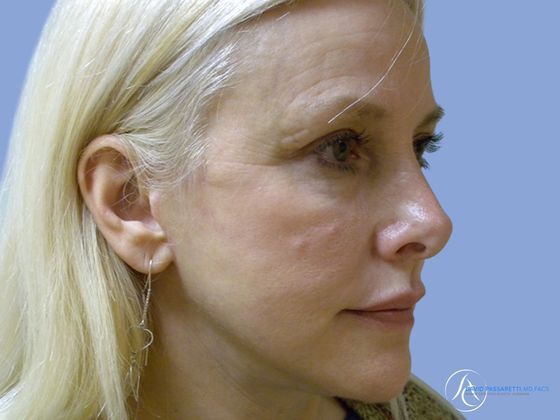
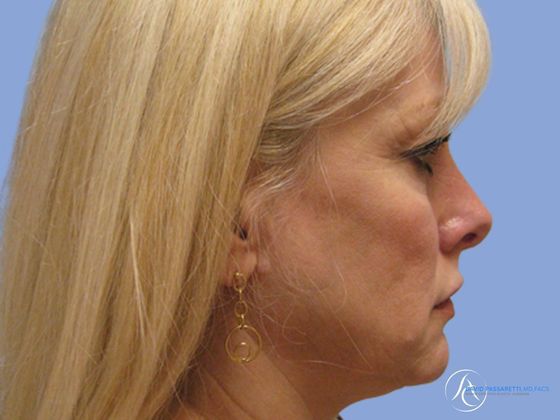
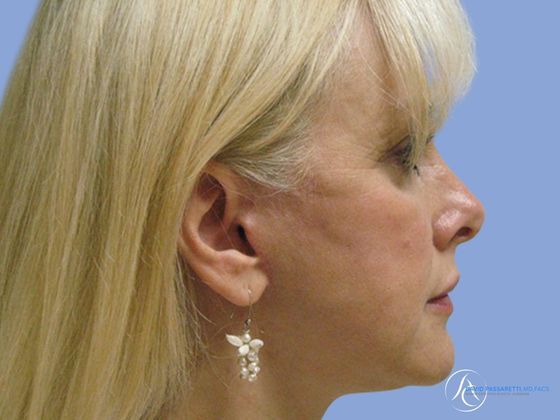
You will also discuss incision placement, anesthesia, likely recovery, potential risks, and the kind of change your anatomy can reasonably support. Reviewing facelift before-and-after photos can help clarify the practice's aesthetic approach, although another patient's outcome cannot predict your own.

Preparing for Facelift Surgery

Preparation is tailored to your health and surgical plan. You may need medical testing, medication adjustments, or clearance from another physician. Dr. Passaretti will tell you which supplements and medications can increase bleeding risk and when to pause them. Never stop a prescribed medication without guidance from the clinician who manages it.

Nicotine interferes with blood supply and healing, so patients must follow the practice's instructions for stopping smoking, vaping, and other nicotine products before and after surgery. Arrange for a responsible adult to drive you home, stay with you during the initial recovery period, and help with everyday tasks. Set up a comfortable place to rest with your head elevated and fill prescribed medications before the day of surgery.

The Facelift Procedure

Dr. Passaretti performs facelift surgery as an outpatient procedure in The Aesthetic Center's private surgical facility in Darien. Anesthesia may involve IV sedation or general anesthesia, based on the procedure and your health. Operating time varies with the technique and any other procedures included in the plan.

Incisions are placed around the hairline and ears in locations selected to make healed scars less conspicuous. Dr. Passaretti then elevates and repositions the deeper facial tissues, addresses the neck when indicated, and removes excess skin after the internal support has been established. The skin is redraped with care to avoid excessive tension. Dressings are applied before you leave the surgical center, and some procedures may require temporary drains.

Facelift Recovery and Aftercare

Swelling, bruising, tightness, and temporary numbness are expected early in facelift recovery. These changes can be uneven at first and gradually improve as the tissues settle. Dr. Passaretti provides specific instructions for incision care, sleeping position, bathing, medications, and activity. Follow-up appointments allow him to monitor healing and remove sutures or drains at the appropriate time.

Many patients plan for approximately two to three weeks away from work and major social events, although recovery differs by procedure and person. Light walking is encouraged, but strenuous exercise, heavy lifting, smoking, and direct sun exposure remain restricted until Dr. Passaretti clears them. Residual swelling, firmness, and altered sensation can continue beyond the point when you feel comfortable being seen in public.

Contact the office promptly if you develop symptoms that fall outside the expectations explained in your aftercare instructions. Patient safety and careful follow-up remain central throughout recovery.

Facelift Results

Early improvement becomes visible as bruising and swelling subside, especially along the jawline and neck. The face continues to soften over the next several months as incision lines mature and the repositioned tissues settle. A well-planned result should preserve normal facial movements and expression while creating a fresher, more supported appearance.

Facelift results are long-lasting, but the face continues to age. Genetics, sun exposure, nicotine use, weight changes, and skin quality all affect longevity. Consistent sun protection, stable weight, and a thoughtful skincare plan can help maintain the result. Some patients later use dermal fillers, chemical peels, laser treatments, or other facial rejuvenation procedures to address concerns that surgery does not treat.

Combining a Facelift With Other Procedures

A facelift can be performed alone or as part of a broader plan. Eyelid surgery can refresh the upper or lower eyelids, while a brow lift addresses descent in the upper face. Fat transfer may restore lost volume in carefully selected areas. Laser resurfacing and other skin rejuvenation treatments can improve tone and texture once surgical healing permits.

Combining procedures can create better balance and consolidate part of the recovery, but a longer operation is not automatically the better choice. Dr. Passaretti considers procedure length, medical history, recovery capacity, and the degree of correction needed before recommending a combined approach.

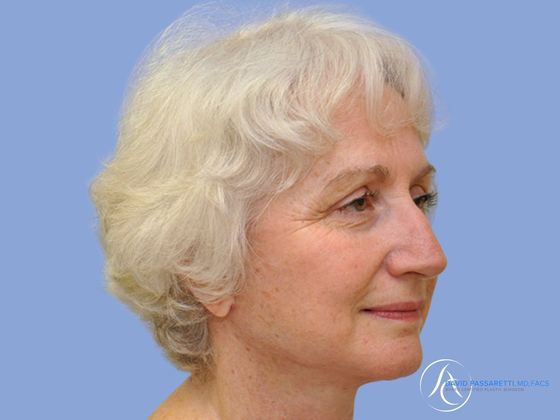
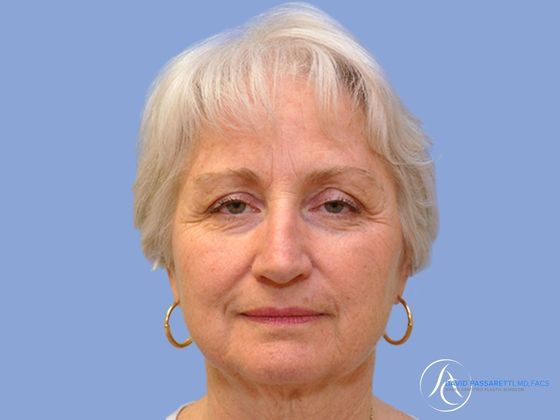
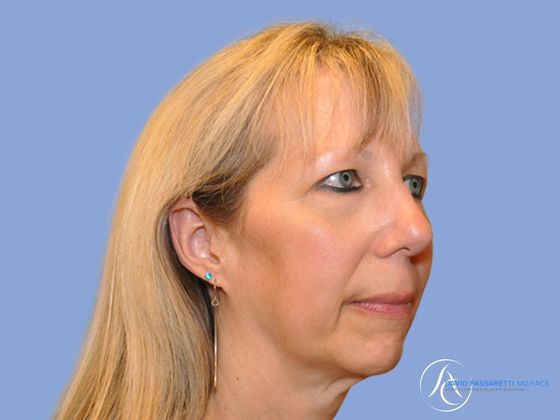
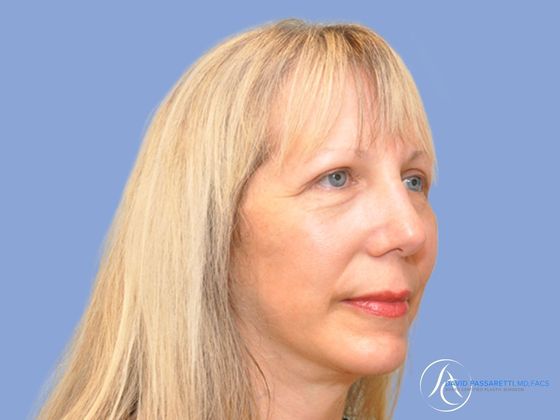
Fairfield County Facelift model with short blonde hair

Why Choose Dr. David Passaretti as Your Facelift Surgeon?

Dr. Passaretti is a board-certified plastic surgeon and Fellow of the American College of Surgeons with more than 20 years of experience in cosmetic and reconstructive plastic surgery. He holds teaching privileges at Columbia and Yale and has contributed to peer-reviewed medical publications. His facial plastic surgery approach reflects technical discipline, an understanding of deeper anatomy, and a clear preference for natural-looking results.

The setting also shapes the experience. The Aesthetic Center's private surgical facility is state-licensed and accredited, allowing the team to provide surgery in a controlled environment outside a general hospital. The long-standing staff works together regularly, and patients receive close, individualized attention from consultation through follow-up.

How Much Does a Facelift Cost in Fairfield County?

Facelift cost varies because no two surgical plans are identical. Technique, operating time, anesthesia, facility fees, and any additional procedures all affect the total. After your consultation, the practice will provide a personalized estimate based on the plan Dr. Passaretti recommends. Financing options are available for qualified patients.

Schedule Your Facelift Consultation in Fairfield County

If changes through your lower face, jawline, or neck have begun to feel out of step with the rest of your appearance, a consultation can give you a clearer sense of what surgery can accomplish. Contact The Aesthetic Center in Darien at (203) 656-9999 to meet with Dr. Passaretti and discuss a facelift plan shaped around your face, your priorities, and your comfort with recovery.

Facelift FAQs

Natural-looking results depend on appropriate technique, precise tissue repositioning, and restraint. Dr. Passaretti supports the deeper tissues before redraping the skin, helping avoid the tight appearance associated with excessive surface tension. Your facial shape and expression should remain recognizable.

Anesthesia keeps you comfortable during surgery. Soreness, tightness, swelling, and numbness are common afterward, and patients receive a medication and aftercare plan for the early recovery period. Call the practice if pain becomes severe, increases unexpectedly, or is accompanied by another concerning symptom.

Possible risks include bleeding, infection, delayed healing, unfavorable scarring, fluid accumulation, asymmetry, hair loss near incisions, changes in sensation, facial nerve injury, and anesthesia complications. Dr. Passaretti will review these risks in the context of your health and surgical plan before you decide to proceed.

Results often remain visible for many years, although longevity varies. A facelift resets facial contours; it does not stop aging. Sun protection, stable weight, healthy skin care, and avoiding nicotine can help protect the quality of the result.

There is no universal age. The condition of your tissues, the changes you want to address, your health, and your expectations are more important than your age alone. Some patients are ready when changes first become substantial in their 40s or 50s, while others pursue surgery later.

Injectables, energy-based treatments, and skin resurfacing can improve volume, wrinkles, tone, or mild laxity. They cannot reposition descended facial tissues or remove a meaningful amount of excess skin. Dr. Passaretti can explain when nonsurgical treatment is likely to help and when surgery offers the more appropriate correction.

Yes. Facelift surgery is often paired with eyelid surgery, a brow lift, fat transfer, or a neck lift when several areas contribute to the aging appearance. Your health and the scope of surgery determine which procedures can be combined safely.

If you're looking for a plastic surgeon serving patients throughout Fairfield County, contact our Darien, CT office to schedule a one-on-one consultation with Dr. David Passaretti.

722 Post Road, Suite 202, Darien, CT 06820

For more information read our Terms of Use and Privacy-Policy.